
Tin tức
A UK Review of PartyPoker Cash Games
For UK players who enjoy poker, the appeal of an online cash game is straightforward: choose a table, buy in within your budget and play hands at a pace that suits you. PartyPoker offers cash-game formats for different experience levels, from familiar Texas Hold’em tables to faster, more action-heavy options. This review looks at what British players should consider before joining, how the games generally work and how to approach them responsibly.
To check current availability, terms and account information, visit https://poker-party.co.uk. Promotions, table selection and payment options can change, so check the latest details directly before depositing or playing.
What PartyPoker cash games offer
Cash games differ from tournaments because chips represent money at the table, and players can usually leave between hands. A player picks a stake, takes a seat and buys in according to that table’s limits. Unlike a tournament, there is no need to stay until one player holds all the chips. That flexibility can suit people who want to play a short session, though it does not make the games low-risk.
Texas Hold’em is the best-known option: each player receives two private cards, while five community cards are dealt in stages. Omaha and other formats may also be available, depending on the current lobby. Each variant has its own rules and strategic demands, so newcomers should read the game information rather than assume that all poker tables play alike.
Cash-game lobbies typically let players compare stakes and table conditions before sitting down. Look for the blinds, minimum and maximum buy-in, number of seats and any displayed fees. Availability can vary by time of day and by account or location. If a game does not appear, do not assume that a promotion or an old review guarantees access; verify the current lobby and eligibility rules.
Joining a table: the UK player’s checklist
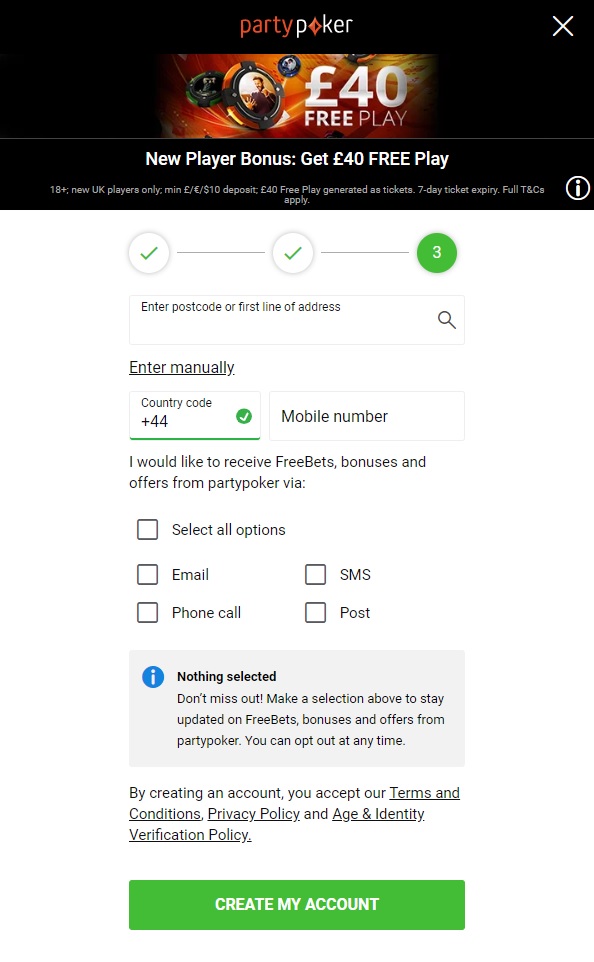
Before playing for money, confirm that the site is available to you in Great Britain and that you are using its current, properly licensed service. Check the operator’s licensing and safer-gambling information, read the terms for deposits and withdrawals, and understand any identity checks that may be required. Do not rely on an unofficial app, copied branding or an old bookmark when account security is at stake.
Set a spending limit before you deposit. A poker bankroll should come only from money left over after essential expenses, and it should never be treated as an investment or a reliable way to earn income. Decide in advance how long you will play, and stop when your time or money limit is reached—even if you feel you are due a win or could recover a loss.
Before the first hand
- Choose a stake where the full buy-in is affordable to lose.
- Check the table’s blinds, buy-in range, game variant and any fees.
- Review account security, payment terms and withdrawal requirements.
- Use the site’s available deposit, time or loss limits where appropriate.
- Play only when focused; avoid playing while tired, upset or under pressure.
Comments on the game: practical tips
Cash poker rewards decisions made over many hands, but no approach removes chance. A good starting point is to play fewer weak hands, especially from early position, where more opponents still have the opportunity to act. When you do enter a pot, consider how your cards connect with the board and what your opponent’s actions may represent rather than focusing only on your own hand.
Position matters. Acting later in a betting round gives you more information about what others have done. That advantage can help with decisions, but it is not a reason to play every hand from the button or to call bets without a plan. If you are uncertain, folding is a normal part of poker, not a failure.
Simple strategies and tips
- Keep your decisions consistent: Avoid changing bet sizes impulsively because of a recent win or loss.
- Think about the whole hand: Before calling, consider what you might do if the next card or bet changes the situation.
- Notice table behaviour cautiously: Patterns can be useful, but a short run of hands is not proof of a player’s tendencies.
- Take breaks: Step away after a frustrating stretch instead of trying to win back money immediately.
- Review, don’t chase: Learning from decisions is more useful than treating a losing session as a debt to recover.
These are general ideas, not a promise of profit. Even an experienced player can lose because poker combines decision-making with incomplete information and random card outcomes. A sensible session is one whose cost and duration remain within limits you chose beforehand.
Bonuses and promotions: read the terms first
PartyPoker may advertise offers for eligible customers, but promotions change and are subject to conditions. Before opting in, check the minimum deposit, qualifying activity, expiry date, wagering or play-through rules where applicable, game exclusions and withdrawal restrictions. A bonus is not automatically cash you can withdraw, and playing more to unlock an offer can increase losses.
For UK customers, the terms should also explain how the offer applies to the account and whether any opt-in action is needed. If the requirements are unclear, ask support before accepting. It is reasonable to skip a promotion if its conditions do not suit your budget or playing habits.
Questions and answers
Can I leave a cash-game table at any time?
Cash games generally allow players to leave between hands, but the exact interface and rules can depend on the format. Use the table controls and check whether any chips remain in play before closing the game.
Is Texas Hold’em the only option?
No. The available selection can include other poker variants, although the live lobby is the best source for what is currently offered to your account. Read a game’s rules before buying in if you have not played it before.
How much should I deposit?
There is no universally appropriate amount. Deposit only what you can afford to lose without affecting bills, savings or other commitments. A smaller limit—or no deposit—is a valid choice.
Does playing more hands guarantee better results?
No. More hands create more opportunities to make decisions, but they also mean more exposure to risk. Volume does not guarantee a win, and a run of losses should not be answered by increasing stakes.
What should I do if I am worried about my play?
Stop playing and use account controls such as deposit limits, time-outs or self-exclusion if available. You can also contact the operator’s support team and seek independent UK support through recognised gambling-help services.
Overall verdict
PartyPoker cash games may appeal to UK players who want familiar poker formats, flexible sessions and a choice of stakes. The central attraction is the ability to join a table without committing to a full tournament, while the main drawback is that flexible access can make it easy to play longer or spend more than intended. Table availability, promotions and account conditions should be checked in the current service rather than assumed from a general description.
For a recreational player, the best experience comes from treating poker as entertainment: learn the rules, choose an affordable stake, set firm limits and accept that results are uncertain. If those boundaries are difficult to maintain, taking a break or not playing is the safer decision. A cash-game lobby can make it easy to start; it is still up to the player to decide whether a session fits their circumstances.